Adrift
Northern Argentina
At the beginning of the 1990s, Argentina dismantled the largest railway network in South America. Entire lines were shut down. More than 800 stations—many in small, isolated towns—were abandoned. For these communities, the railroad had been more than infrastructure: it was work, identity, and connection. When the last train passed, life stalled. The towns were left adrift.
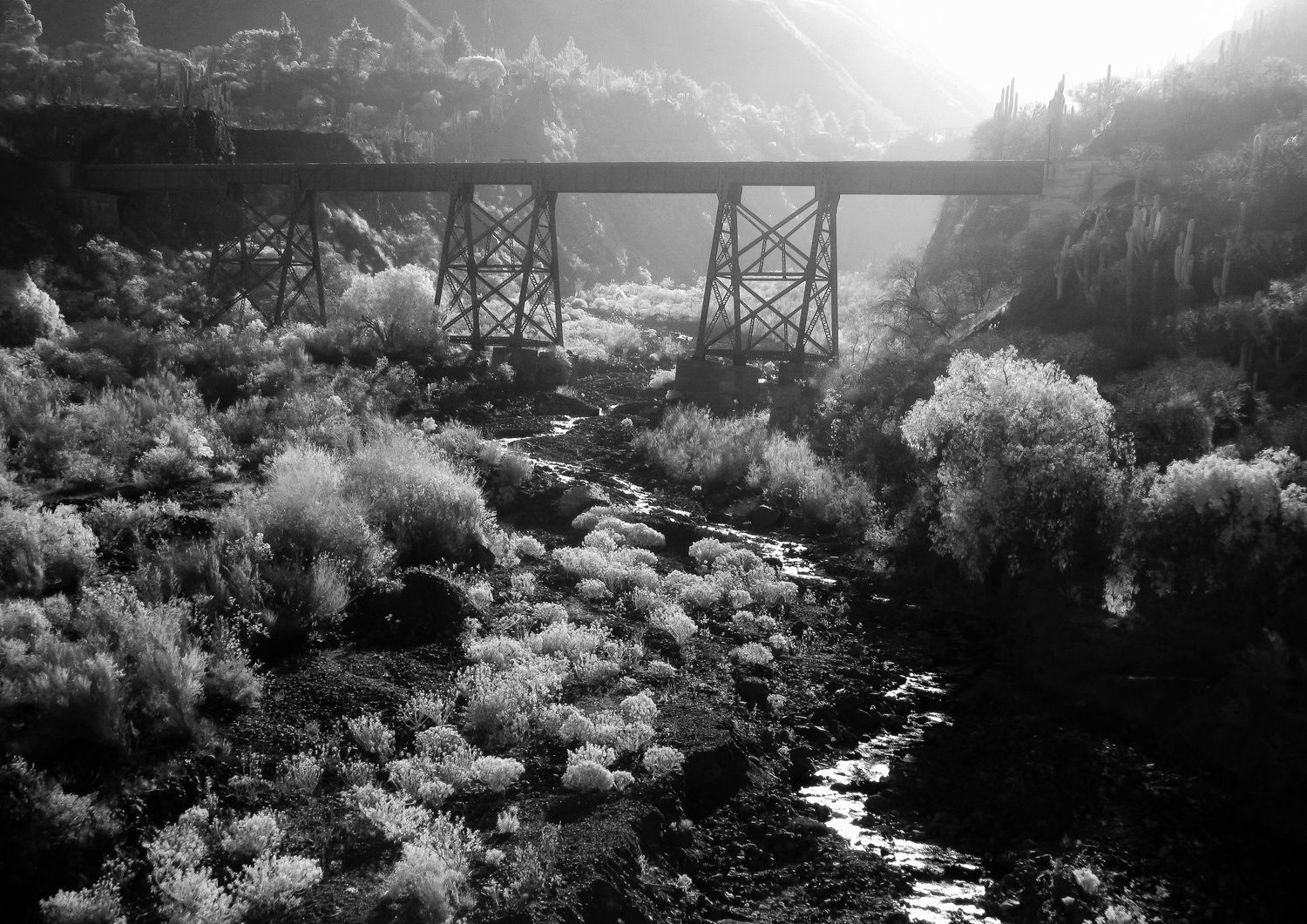
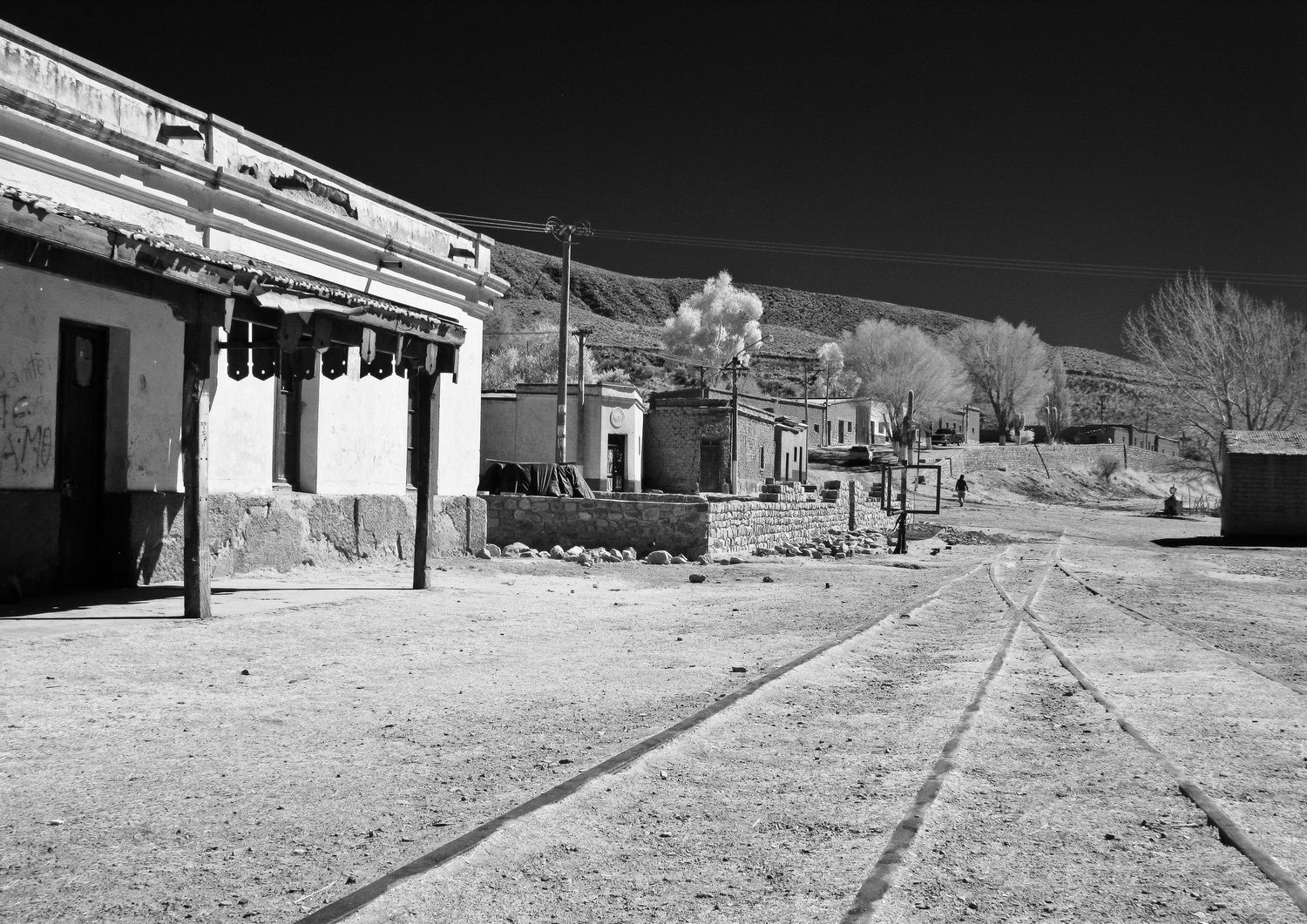
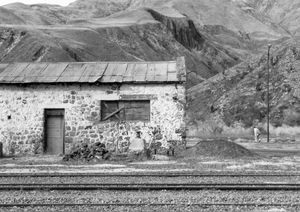
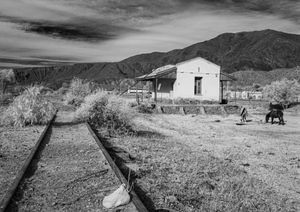
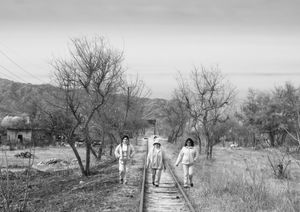
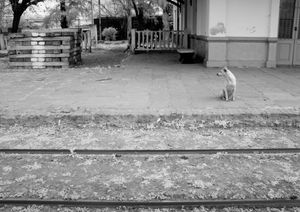
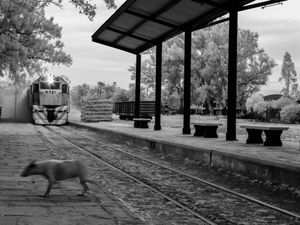
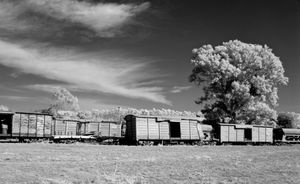
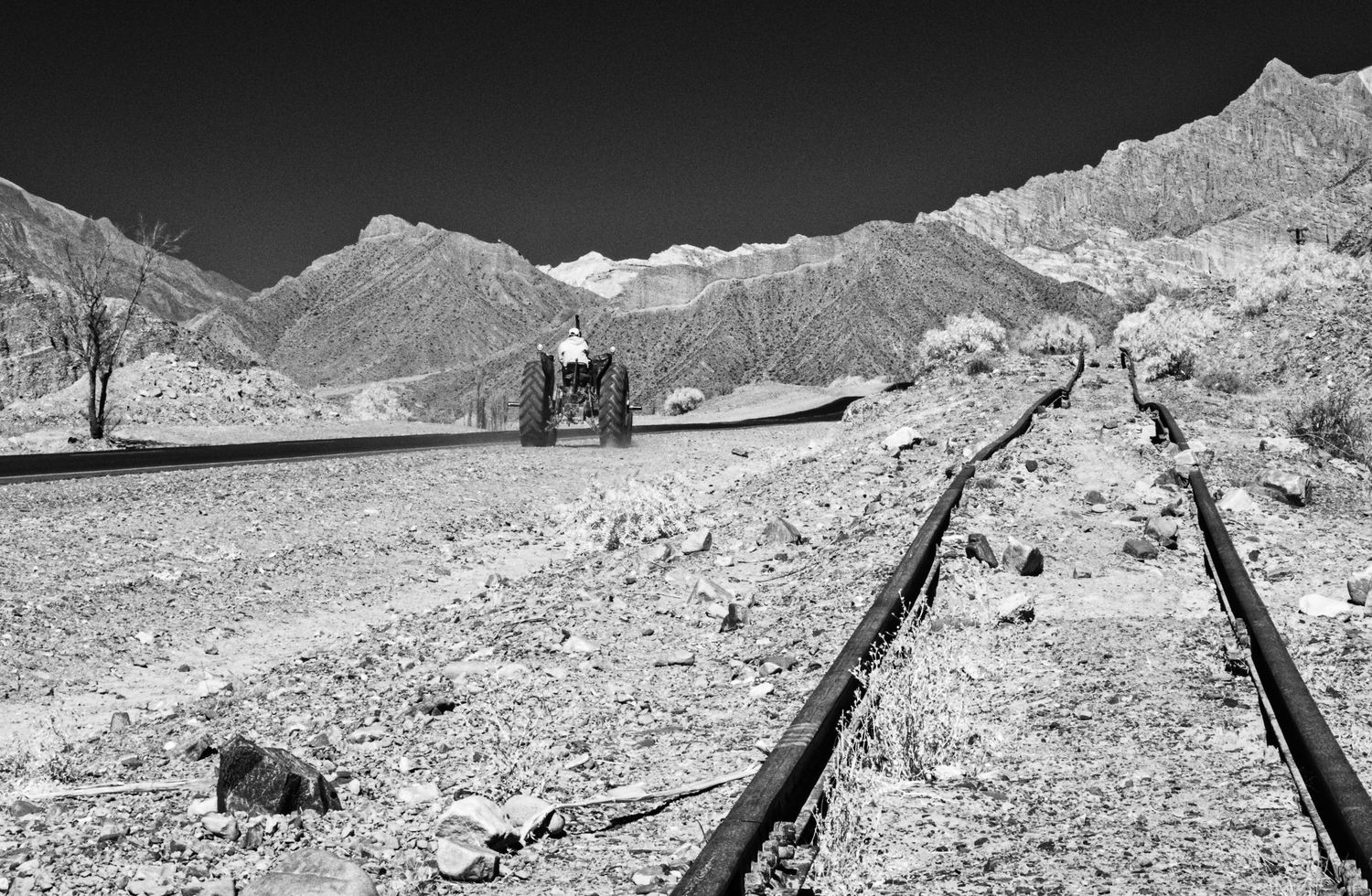
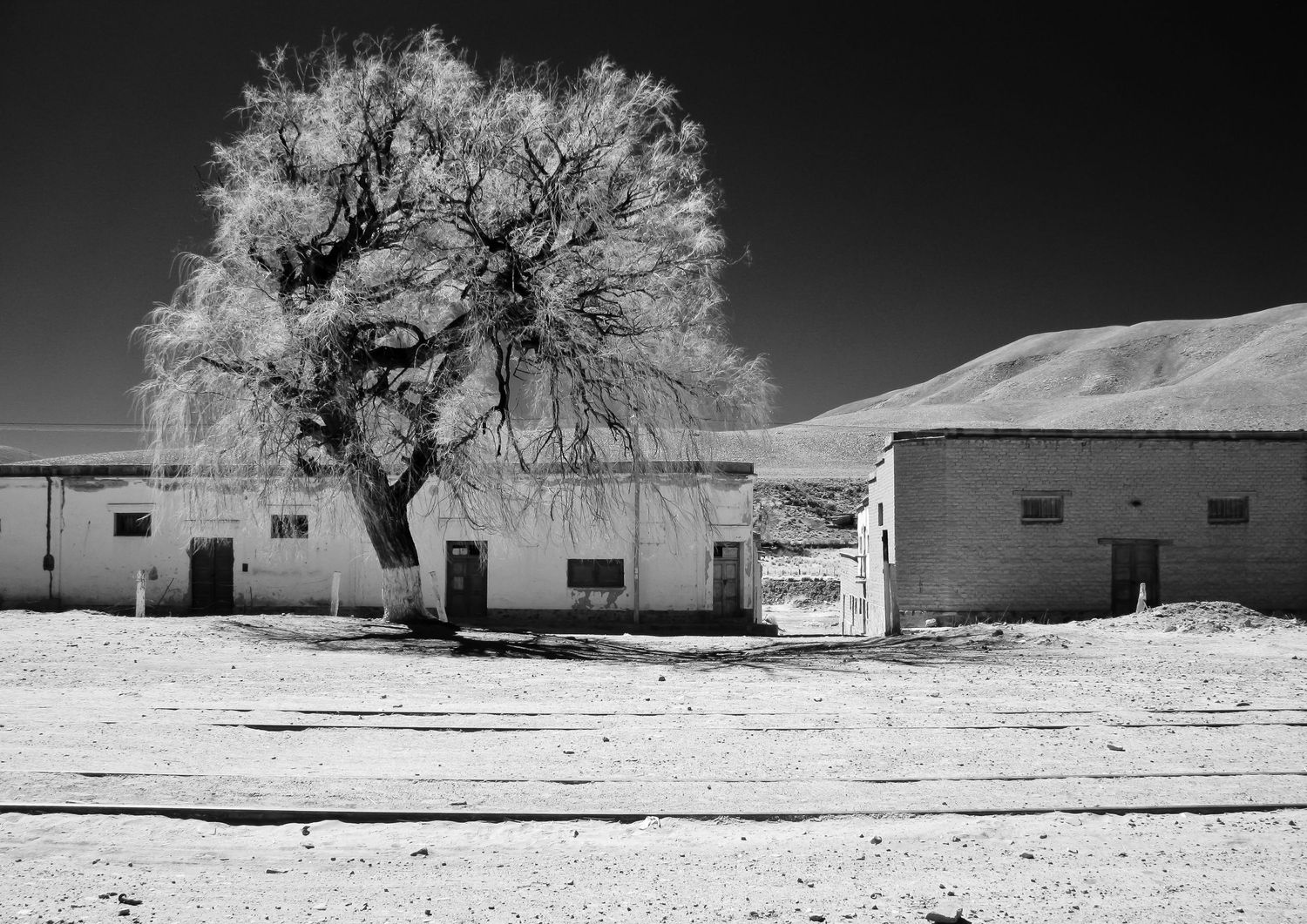
This project follows the remnants of those rail lines in northern Argentina—tracks overtaken by dust, stations emptied of people, and landscapes slowly reclaiming the space left behind. These places were born of the railroad, lived by it, and, in many cases, died with it.
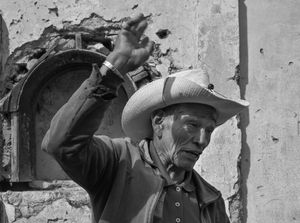
Only one short track continues to be used, a daily train taking minerals from one station to another is the sole memory of this vast network. During my visits to abandoned stations and towns I met a few people that remembers the "good old days", they are the living memory of this story.
The work is not about nostalgia. It is about consequence. The disappearance of the railway triggered the migration of more than a million people toward the outskirts of major cities, leaving behind settlements suspended in time. Nature moved in quietly: trees through platforms, wind over rails, light carving silence into walls.
The images form a tension between abandonment and endurance—between human absence and the austere beauty of the land. What remains is neither ruin nor monument, but a fragile equilibrium, where memory, landscape, and history coexist. This series was influenced by La Próxima Estación by Fernando “Pino” Solanas, a film that chronicled this collective fracture and sharpened my interest in this overlooked chapter of Argentine history. My thanks to Pino.
Adrift is an attempt to align head, eye, and heart—allowing the photograph to bear witness to what was built, what was lost, and what persists.