The Land of Last Light
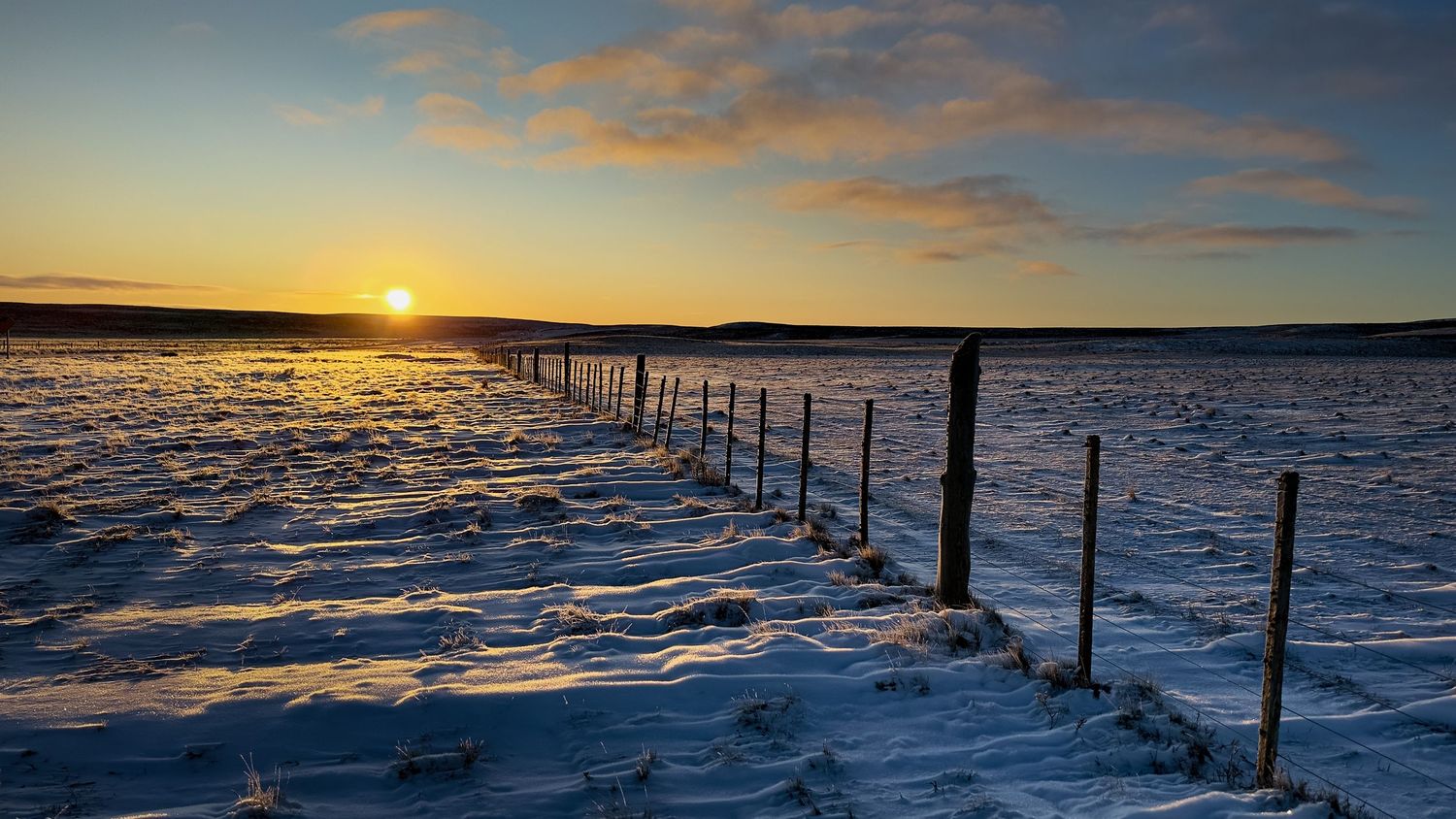
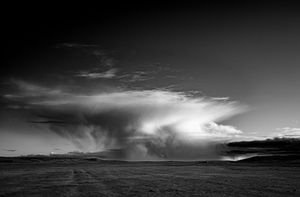
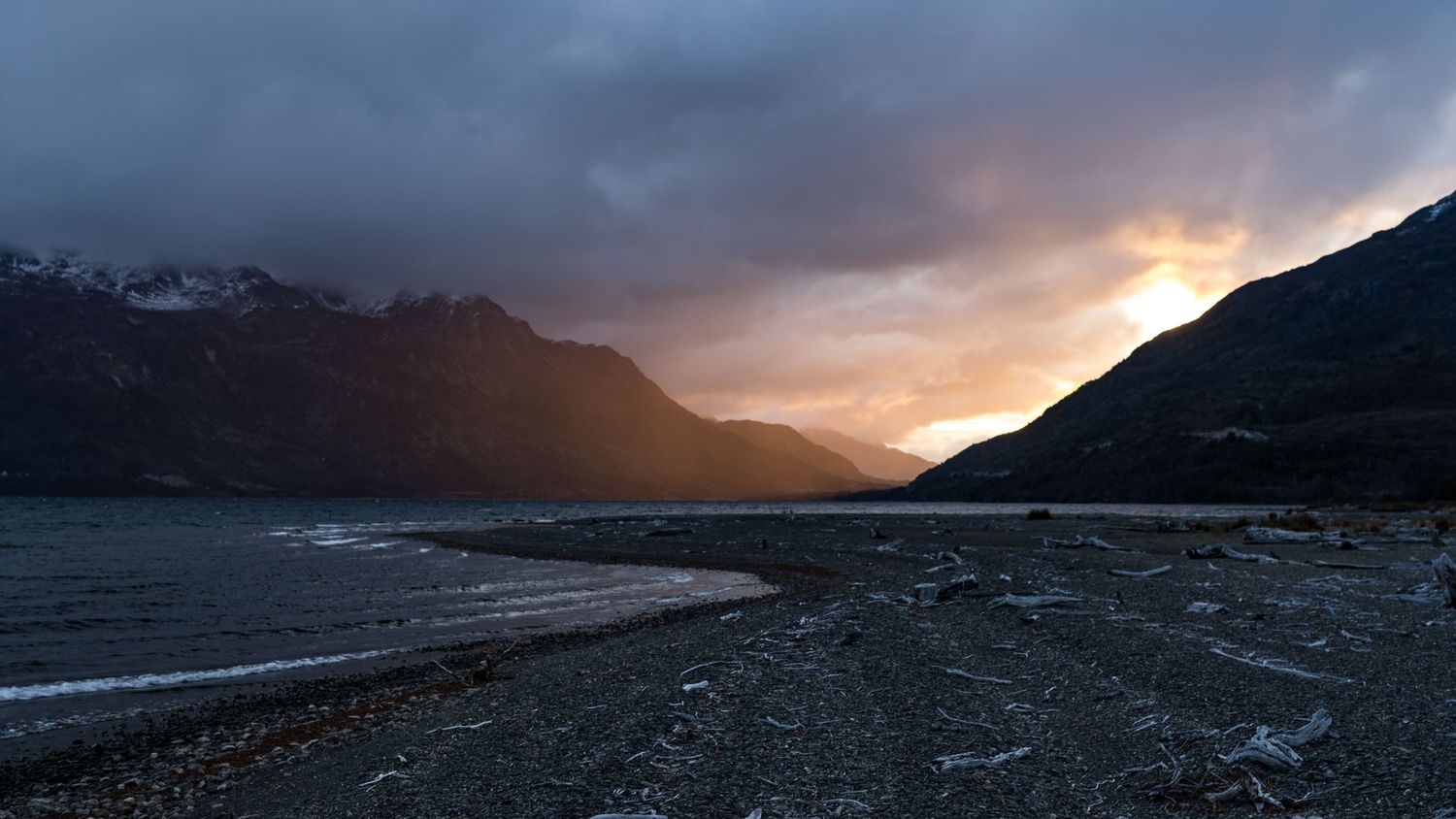
At the far south of the Americas lies Tierra del Fuego — a remote island torn from the continent by the Strait of Magellan. It opens into a vast, windswept plain, the pampa, where sky and land blur into one endless horizon. Once scattered with sheep farms, the estancias, these open expanses still hold traces of human presence: weather-beaten barns, collapsing fences, and empty houses slowly giving way to the wind.
Yet the island is not entirely silent. A few gauchos remain, riding across the plains with the same toughness as their predecessors, enduring the cold winds and solitude. Their presence is a reminder of the resilience required to live here, where the horizon offers no shelter and the days are ruled by weather. Gauchos, horses, and dogs still tend the sheep and keep the last estancias alive.
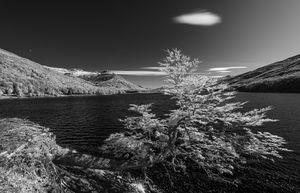
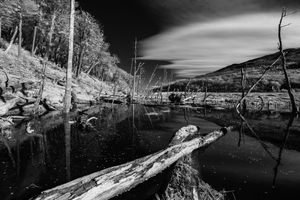
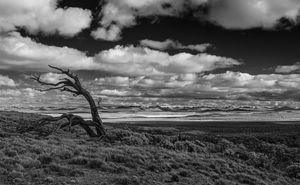
Through infrared, the landscape transforms. Grasses flare white beneath black skies, estancias glow like fragile ghosts, and the emptiness itself becomes almost tangible. Along the northern shores of the island, facing the continent across the Strait, the land shifts from open plain to twisted lenga and ñire forests, bent and scarred by relentless winds. These trees, like the gauchos who still ride the pampas, stand as symbols of endurance in a territory defined by extremes.
This portfolio is not about documenting ruins, but about listening to the resonance of a land that remembers — the silence of what was, the fragile persistence of what remains, and the austere beauty of a place suspended between ocean and sky.
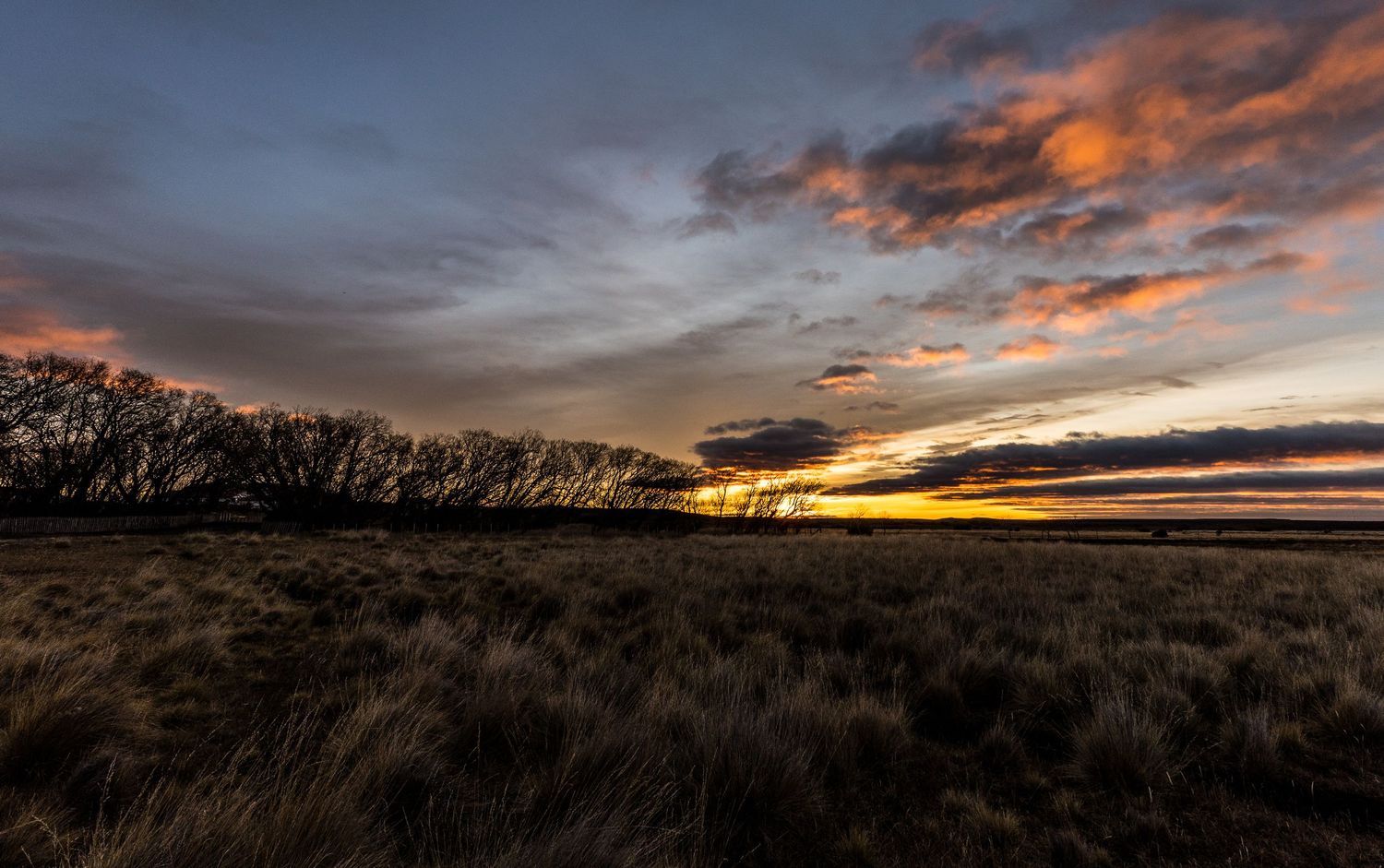
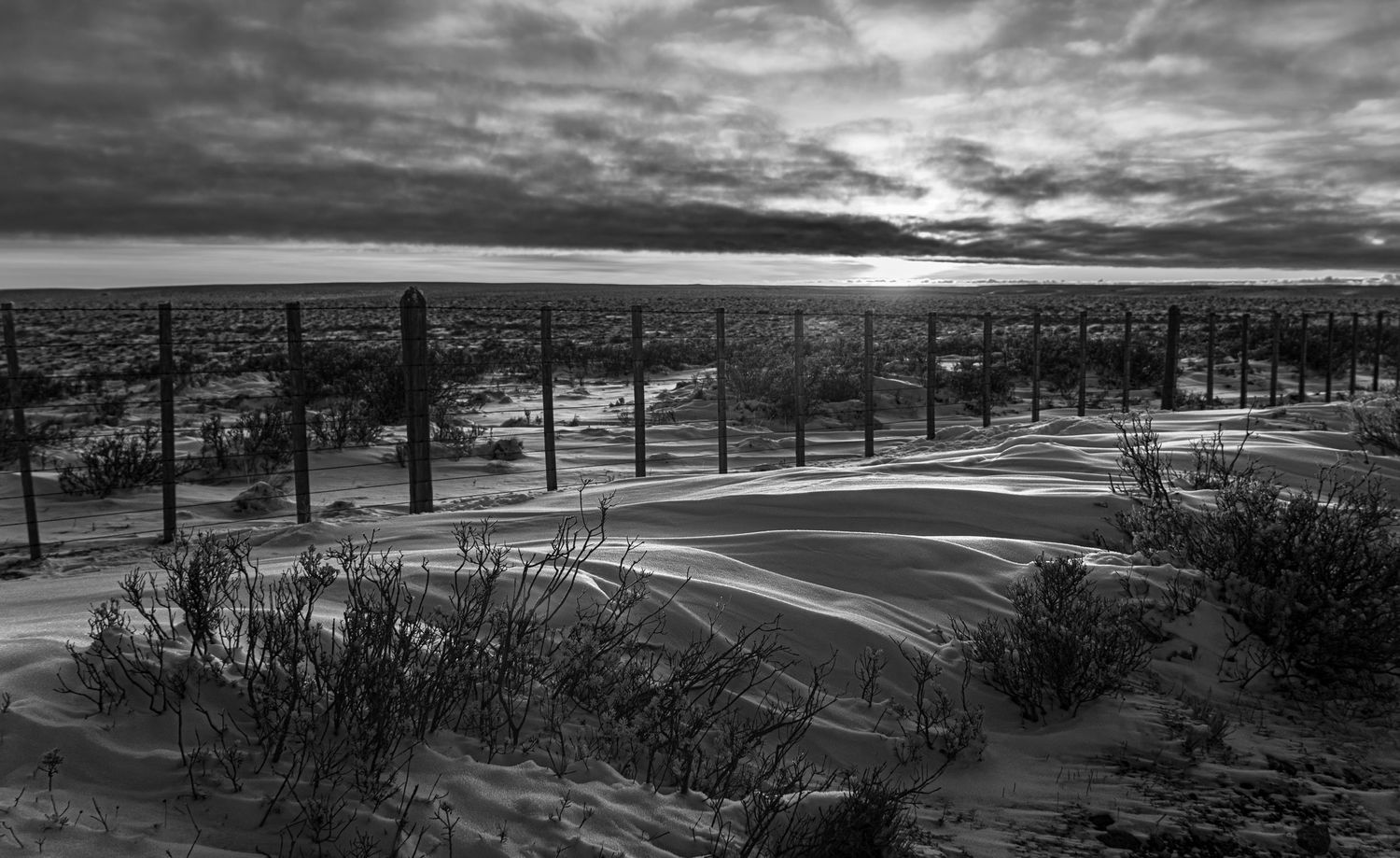
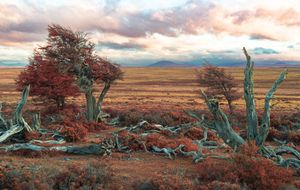
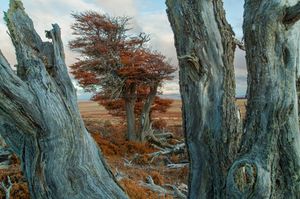
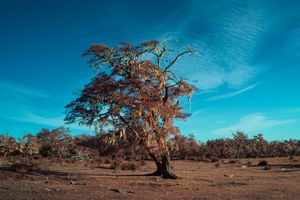

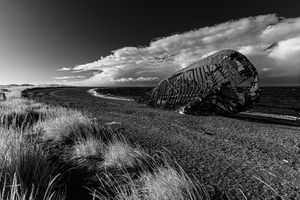
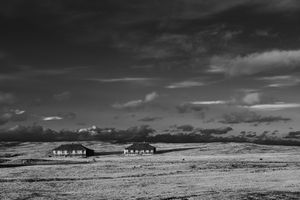
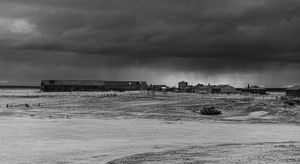
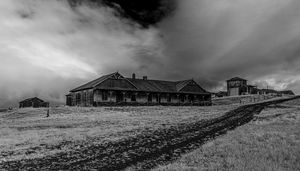

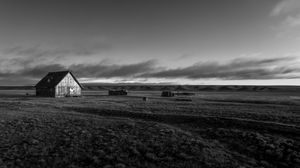
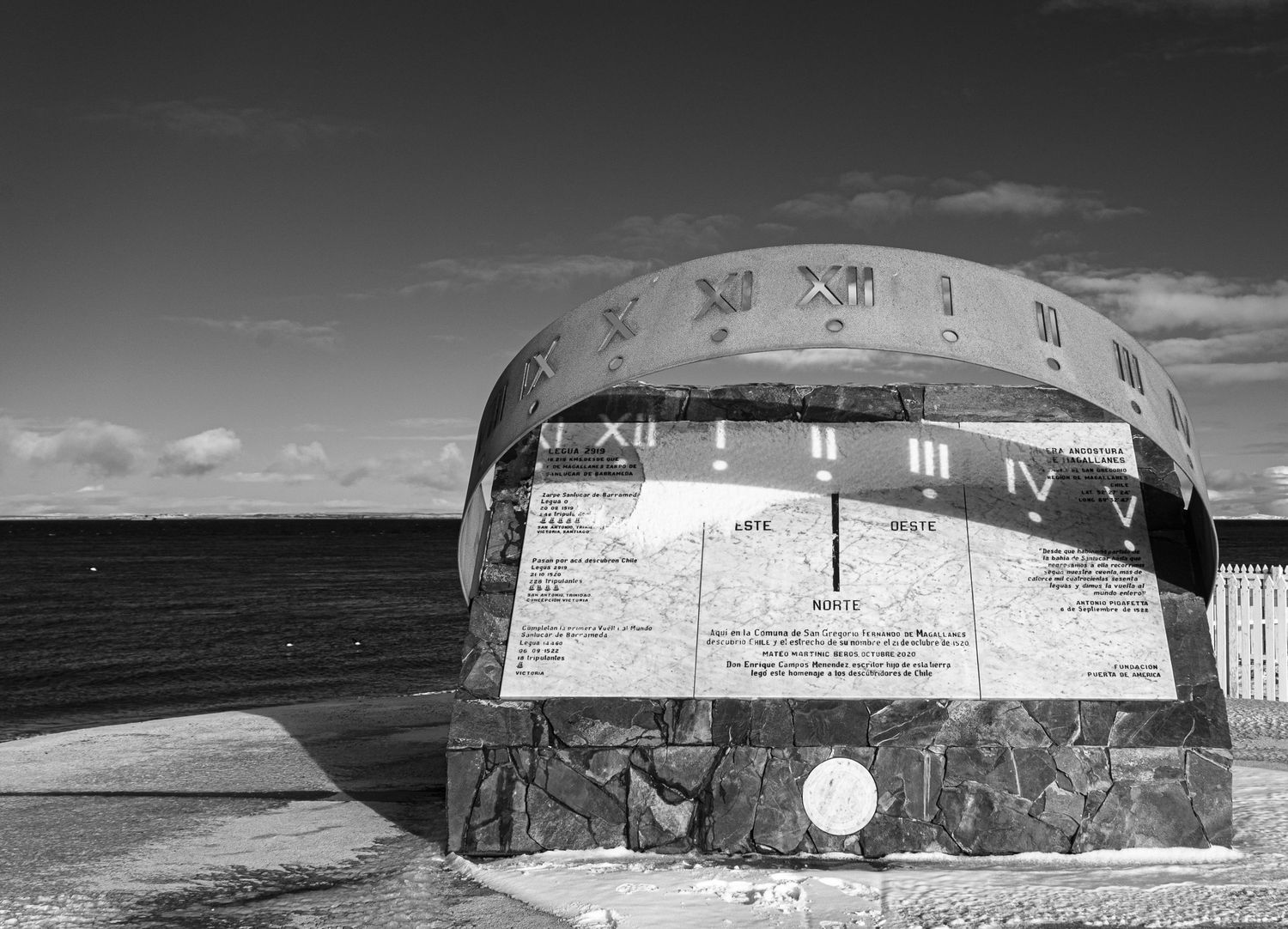
Legua 2919
At the entrance of the Strait of Magellan, near Punta Arenas, Chile stands a monument dedicated to Ferdinand Magellan and his crew. On its base, an inscription recalls their extraordinary journey — words carved into bronze, weathered by a century of southern wind:
In September 1522, the Victoria, with only 18 surviving crew members under Captain Juan
Elcano, arrived back in Sanlúcar, completing the first circumnavigation of the globe.
Those lines, cast in metal, echo an age when the edge of the map was real — a frontier that still defines Tierra del Fuego, the land of last light. The arrival of Magellan in the Strait was also the first time an European touched the territory of what today is Chile.
Departure: Sanlúcar de Barrameda
League 0
September 20, 1519
246 crew members
Ships: San Antonio, Trinidad, Concepción, Victoria, Santiago
Pass through here, discover the Straight of Magellan
League 2919
October 21, 1520
228 crew members
Ships: San Antonio,
Trinidad, Concepción, Victoria
Complete the first circumnavigation of the world : Sanlúcar de Barrameda
League 14,460
September 6, 1522
18 crew members
Ship: Victoria
This monument marks not only the passage
of Magellan’s fleet but also one of the turning points in world history.
From Sanlúcar de Barrameda, where five ships and 246 men departed in
September 1519, the expedition sailed more than 16,000 kilometers before
arriving here, at the entrance to the Strait of Magellan. By October 1520,
four ships and 228 men remained to attempt the crossing into the unknown. The
discovery of the strait opened the first navigable route between the Atlantic and
Pacific Oceans — a passage long sought by explorers and a key that unlocked the
possibility of circumnavigating the globe. In September 1522 the Victoria with
only 18 remaining crew under capitan Juan Elcano arrived in Sanlúcar.
This monument records not just leagues
and dates, but the weight of a discovery that redrew the map of the world.